
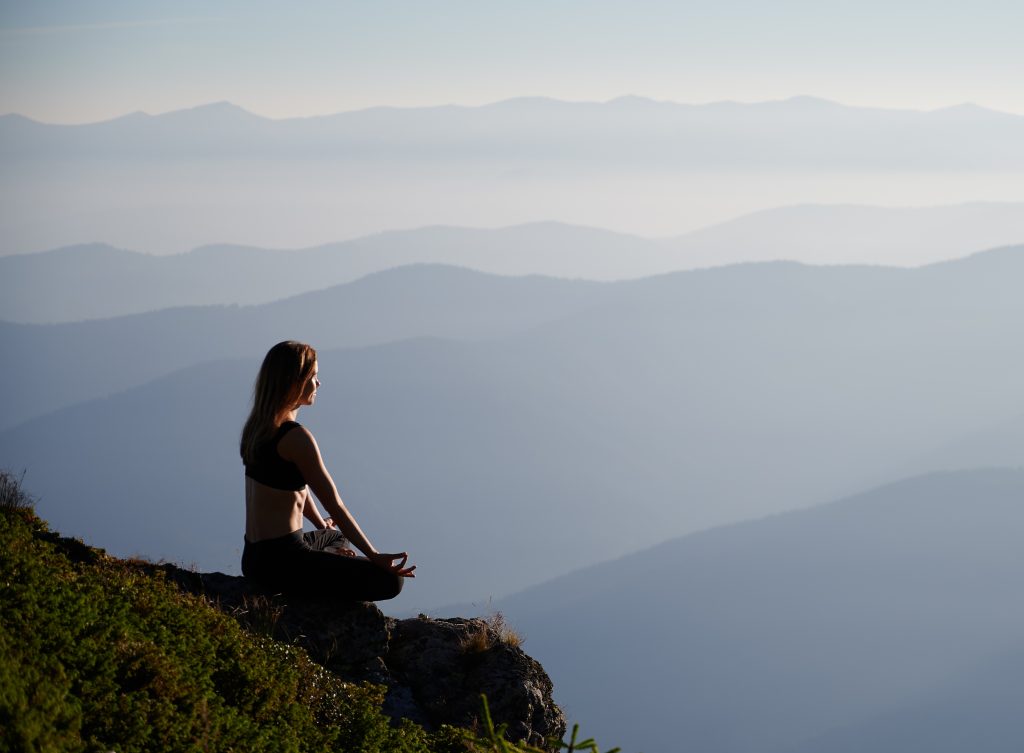

You sit down, close your eyes, and take a breath. From the outside, it looks like nothing much is happening. But inside your body, your breathing is changing, your attention is moving, and your brain is still busy jumping from one thought to another. So what actually happens when you stop for a few minutes and simply pay attention? Different meditation practices can affect the way you focus, breathe, and respond to your thoughts, but what actually happens inside your body and mind?
There is no single way to meditate, and that is what makes the subject so interesting. Some practices work with your breathing, some use a mantra, and others teach you to notice your thoughts without getting pulled into them. Mindfulness meditation, Pranayama, and Transcendental Meditation may all involve sitting quietly, but they approach the mind and body in very different ways. Understanding those differences can help you find a practice that feels right for you and, more importantly, understand what may actually be happening inside your body while you do it.
What Is Meditation?
Meditation is often made to sound like you have to sit completely still and somehow stop your brain from thinking, but that is not really how it works. At its simplest, meditation is about paying attention to what is happening in your mind and body instead of constantly being pulled from one thing to another. You might focus on your breathing, repeat a mantra, notice sensations in your body, or simply sit and observe your thoughts as they come and go.
And yes, your mind will wander. You might start thinking about work, your phone, something someone said to you earlier, or what you are going to eat later. That doesn’t mean you are doing meditation wrong. Part of the practice is noticing that your attention has wandered and gently bringing it back. In the beginning, you may have to do this again and again, but that is actually where the practice happens. You are learning to notice what your mind is doing instead of automatically following every thought. There are many different meditation practices, and each one approaches attention, breathing, and awareness in its own way.
Mindfulness Meditation
Like other meditation practices, mindfulness meditation takes some practice because your attention will naturally wander. Mindfulness meditation is basically about noticing what is happening right now instead of getting completely caught up in everything going on in your head. You might sit comfortably and pay attention to your breathing while also noticing your thoughts, feelings, and surroundings without immediately judging them.
For example, you could be sitting down to meditate and suddenly start thinking about something that happened at work. Instead of spending the next ten minutes replaying the whole situation in your head, you simply notice that you have gone there and gently bring your attention back to your breathing.
With regular practice, this kind of awareness can slowly become part of your everyday life too. You may start noticing when you are getting stressed while working, when you are eating without really paying attention, or when your mind has wandered during a conversation. The point isn’t to stop having thoughts or emotions. It is to become more aware of them instead of automatically getting carried away by everything that crosses your mind.
Guided Meditation
Guided meditation can be a good option when sitting quietly by yourself feels a little awkward or you don’t know what you are supposed to focus on. Instead of trying to figure everything out on your own, you simply listen to someone’s voice as they guide you through the practice. They might ask you to pay attention to your breathing, relax different parts of your body, imagine a peaceful place, or notice certain thoughts and feelings.
This can make meditation feel easier, especially when you are just starting out and your mind keeps wondering what it is supposed to be doing. Guided sessions also come in different lengths, so you can start with just a few minutes and slowly find what feels comfortable for you rather than forcing yourself into a long session from the beginning.
What Is Pranayama?
Pranayama is a group of traditional yogic breathing practices. The word is often associated with the regulation or control of the breath. Pranayama is often included alongside other meditation practices, especially when breathing is used to help settle the mind. Unlike simply sitting and observing your breathing, Pranayama can involve specific breathing patterns and techniques. Some practices involve changing the pace of your breathing, alternating between the nostrils, or briefly holding the breath.
One simple example is taking slow, comfortable breaths while paying attention to how the breath moves in and out. More advanced breathing techniques should be learned carefully, especially when they involve breath retention or forceful breathing. Pranayama and meditation are often practiced together, but they are not exactly the same thing. Pranayama mainly works with the breath, while meditation generally involves training attention and awareness.
What Is Transcendental Meditation?
Transcendental Meditation, often called TM, is a specific meditation technique that uses a mantra while you sit comfortably with your eyes closed. Instead of trying to control every thought or force your mind to become completely quiet, the practice is designed to allow the mind to settle naturally while using the mantra as part of the technique. This makes it different from mindfulness meditation, where you may intentionally pay attention to your thoughts, feelings, breathing, or what is happening around you.
Transcendental Meditation follows its own method and is traditionally learned from a trained instructor. It is also a good reminder that meditation is not just one single practice. There are many different approaches, and although they may look similar from the outside, they can use very different methods to work with your attention, thoughts, breathing, and state of mind. This is one reason why comparing different meditation practices can be useful when you are trying to find one that suits you.
Meditation and Breathing, How Are They Connected?
Breathing is something we do all day without even thinking about it, but once you start paying attention to it, it can become a simple way to bring your mind back to the present. When your thoughts are all over the place, focusing on slow and comfortable breathing gives your attention somewhere to settle instead of following every thought that comes up. This is why breathing is often a part of different meditation practices. However, breathing exercises and meditation are not exactly the same thing.
Pranayama, for example, has its own techniques and traditions where the breath is deliberately controlled in different ways, while meditation can involve breathing, a mantra, body awareness, or simply observing your thoughts. The two can be practiced together, but each has its own purpose and approach.
How Can a Beginner Start Meditating?
You don’t need a special room, expensive equipment, or a completely empty schedule to start meditating. You can begin with just a few quiet minutes. Find a place where you feel comfortable and are unlikely to be disturbed, sit down, and take a few normal breaths. You don’t have to force yourself to breathe deeply or sit in a perfect position. Just get comfortable and give yourself a little time to settle.
After that, bring your attention to your breathing. You will probably get distracted, and that’s completely normal. Your mind may jump to work, your phone, something you said earlier, or what you need to do later.
Instead of getting annoyed with yourself, simply notice that your attention has wandered and bring it back to your breath. You may have to do this many times, and that is actually part of the practice. There is no need to try every type of meditation practices at once. Start with one approach that feels comfortable and give yourself time to get used to it.
Start with five minutes if that feels comfortable. You can slowly increase the time once sitting quietly starts to feel more natural. The important thing is not how long you can sit or whether you can keep your mind completely quiet. It is finding a meditation practice that you can actually enjoy and continue. Five minutes that becomes part of your regular routine is probably more useful than forcing yourself to meditate for an hour and giving up after a few days.



 Manish Basnyat