
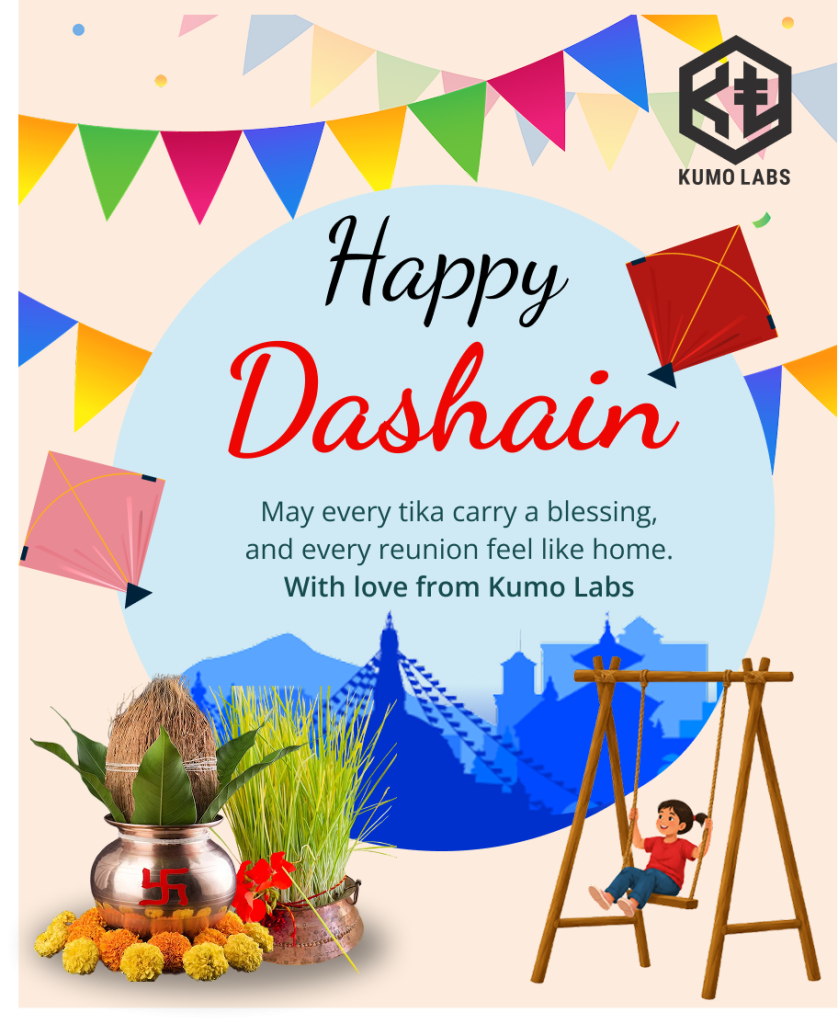

Dashain is one of the most important and widely celebrated festivals in Nepal. It is a special time when families reunite, homes become lively, and people take a break from their busy routines to enjoy meaningful moments with their loved ones. From buying new clothes and preparing traditional foods to receiving blessings from elders, every part of Dashain carries its own happiness and significance. Celebrated mainly in September or October, the festival brings people together through faith, family traditions, and cultural values. The Dashain festival is a time when people across Nepal celebrate their culture, faith, and family traditions.
In 2026, the Dashain festival began with Ghatasthapana on Sunday, October 11. Vijaya Dashami, the main tika day, fell on Wednesday, October 21, and the celebrations closed with Kojagrat Purnima on Sunday, October 25.
In this article:
- What is the Dashain festival?
- The history and significance of Dashain
- 6 important days and traditions of Dashain
- Why tika and jamara are important
- How people celebrate Dashain in Nepal
- The importance of family during Dashain
- How Dashain traditions are changing today
- Dashain festival FAQs
What Is the Dashain Festival?
The Dashain festival is a major Hindu festival that celebrates the victory of good over evil. It is traditionally associated with Goddess Durga‘s victory over the demon Mahishasura. This story represents the power of goodness, courage, and righteousness over negative forces. For many Nepali families, Dashain is also a time to express gratitude, pray for prosperity, and seek blessings for a peaceful and successful life.
The festival is also known as Bada Dashain or Vijaya Dashami, which means “the victorious tenth day.” It is the longest public holiday in Nepal and is also celebrated by Nepali-speaking communities in India, Bhutan, and around the world. You can read more about its background on the Dashain page on Wikipedia.
Dashain usually lasts for 15 days, beginning with Ghatasthapana and concluding with Kojagrat Purnima. Although the festival has deep religious roots, its importance extends beyond worship. It is a celebration of family connections, cultural identity, and the traditions that have been passed down through generations. The Dashain festival also encourages people to reflect on kindness, courage, and the importance of doing good.
The History and Significance of Dashain
The history of Dashain is closely connected to Hindu mythology and the worship of Goddess Durga. According to a widely followed tradition, the goddess defeated Mahishasura after a battle that lasted nine days and nights. These nine nights of devotion are known as Navaratri. The tenth day, known as Vijaya Dashami, celebrates this victory and symbolizes the triumph of good over evil.
Another Hindu tradition connects the festival with Lord Rama’s victory over Ravana. Both stories share an important message: no matter how powerful evil may appear, goodness and truth can ultimately prevail. These beliefs give Dashain a deeper meaning and remind people of the importance of courage, kindness, and doing what is right. Today, the Dashain festival continues to preserve Nepal’s rich cultural heritage and religious traditions.
6 Important Days and Traditions of Dashain
The Dashain festival includes six especially important days, each with its own customs and religious significance. Here is a quick guide to the key dates for Dashain 2026 (2083 BS):
| Day | Festival day | Date (2026) | What happens |
|---|---|---|---|
| 1 | Ghatasthapana | Sun, Oct 11 Ashwin 25, 2083 BS |
A kalash is set up and barley seeds are sown to grow jamara. |
| 7 | Phulpati | Sat, Oct 17 Kartik 1, 2083 BS |
Sacred flowers and offerings are brought into homes and to Hanuman Dhoka. |
| 8 | Maha Ashtami | Mon, Oct 19 Kartik 2, 2083 BS |
Special worship of Goddess Durga at homes and temples. |
| 9 | Maha Navami | Tue, Oct 20 Kartik 3, 2083 BS |
Tools, vehicles and workplaces are worshipped for safety and success. |
| 10 | Vijaya Dashami Main tika day |
Wed, Oct 21 Kartik 4, 2083 BS |
The main day: elders give tika, jamara and blessings. |
| 15 | Kojagrat Purnima | Sun, Oct 25 Kartik 8, 2083 BS |
Full-moon night of Laxmi puja that closes the festival. |
1. Ghatasthapana (Day 1)
This day marks the beginning of Dashain. Families prepare a sacred space for worship, place a holy water vessel called a kalash, and sow barley seeds to grow jamara, which will later be used during the tika ceremony.
2. Phulpati (Day 7)
Phulpati is an important day when sacred flowers and other religious offerings are brought into homes as part of traditional celebrations. In Kathmandu, a traditional procession carries the phulpati to Hanuman Dhoka Durbar Square. It marks the growing excitement as Dashain approaches.
3. Maha Ashtami (Day 8)
On this day, devotees worship Goddess Durga and observe different religious rituals according to their family and community traditions. Temples dedicated to the goddess are especially busy with worshippers.
4. Maha Navami (Day 9)
The ninth day is dedicated to further worship and special rituals. Some families also perform ceremonies seeking protection, strength, and good fortune, and many people worship their tools, vehicles, and workplaces to ask for safety and success in the year ahead.
5. Vijaya Dashami (Day 10)
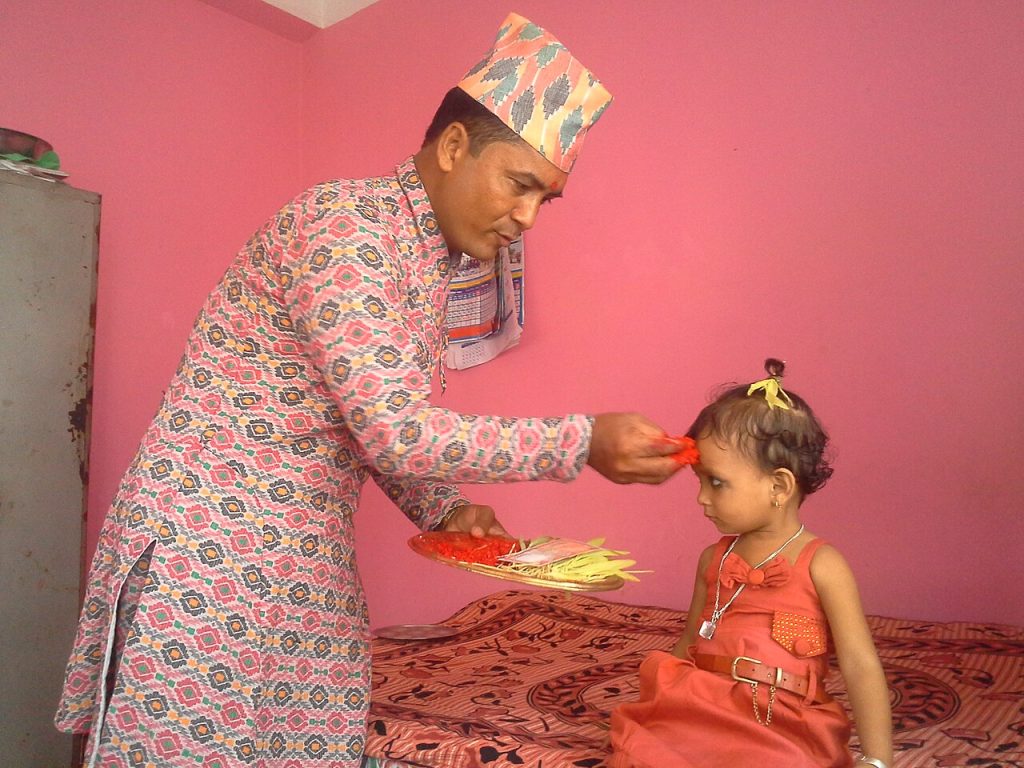
This is one of the most important days of Dashain. Families gather to receive tika and jamara from their elders, who offer blessings for happiness, health, success, and long life. People continue visiting relatives to receive tika for several days after Vijaya Dashami.
6. Kojagrat Purnima (Day 15)
The final day of the traditional 15-day celebration marks the full moon and brings the festival period to a close. Many families worship Goddess Laxmi on this night, and the name Kojagrat comes from the tradition of staying awake through the night.
Why Tika and Jamara Are Important
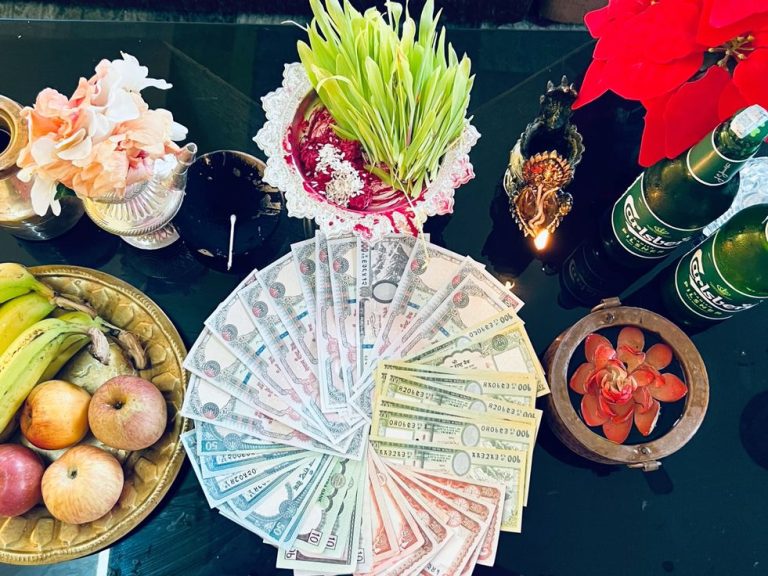
Tika and jamara are among the most recognizable symbols of the Dashain festival. Tika is commonly prepared using rice, yogurt, and red vermilion, while jamara consists of sacred yellowish-green shoots grown from barley seeds. Elders place tika and jamara on the foreheads or heads of younger family members and offer blessings. Some communities, such as many Kirati families, use white tika instead of red.
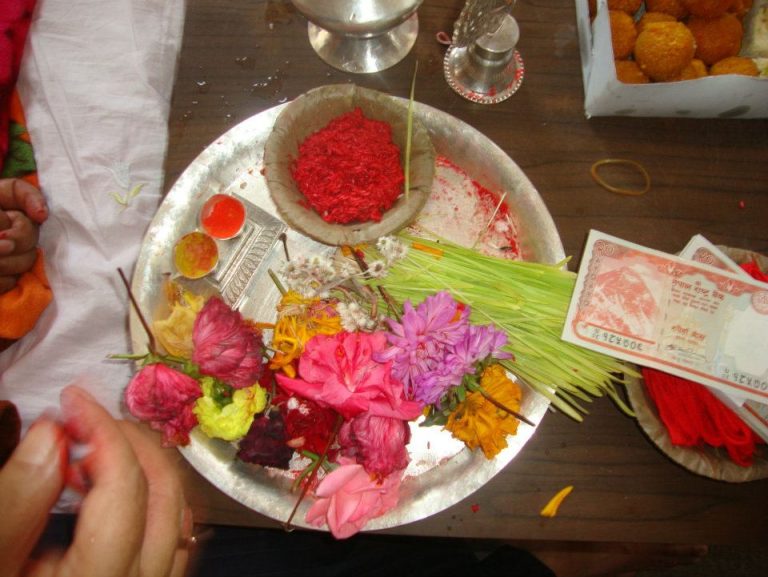
This tradition is meaningful because it represents love, respect, good wishes, and the connection between generations. For many people, receiving tika is one of the most memorable moments of Dashain. Even those who live far away from their families often make an effort to return home or connect with their loved ones during this special time.
How People Celebrate Dashain in Nepal
Dashain celebrations bring a festive atmosphere to communities throughout Nepal. Before the festival, people clean their homes, decorate their surroundings, shop for new clothes, and prepare food for family gatherings. Markets become busy, and many people travel to their hometowns to celebrate with their families.
Traditional Dashain Food and Feasts
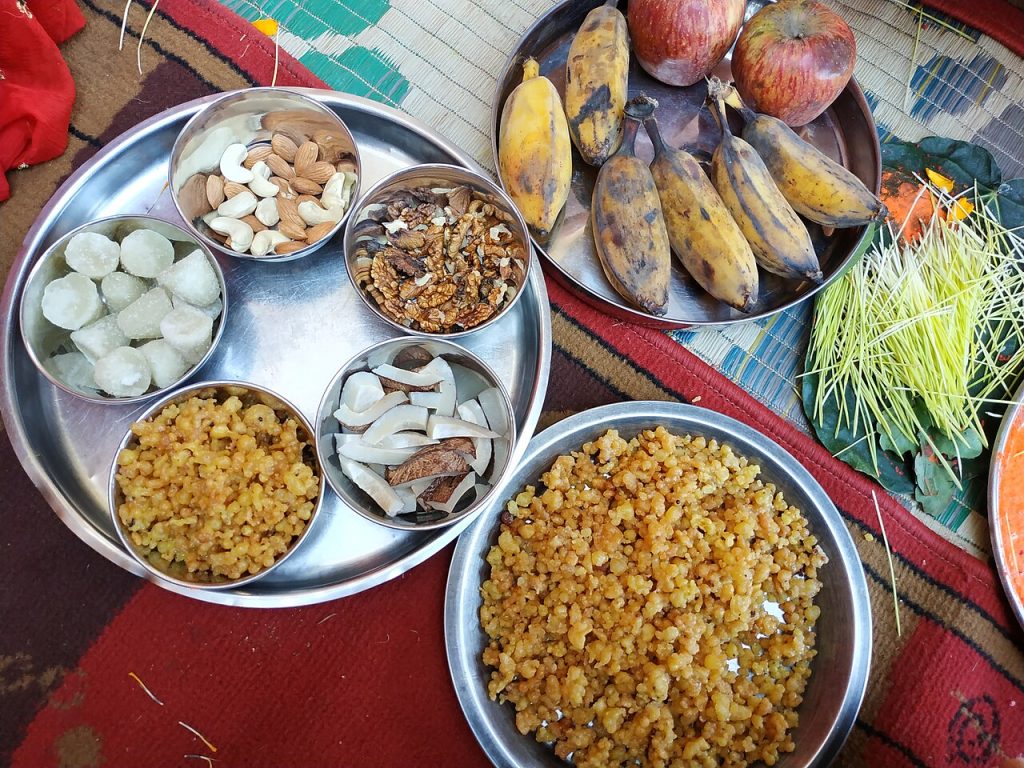
Traditional food is another important part of the celebration. Families prepare special meals such as meat curry, sel roti, and beaten rice, share food with relatives, and spend time together around the dining table. With so many feasts in a row, it also helps to keep a few healthy eating habits in mind during the holidays.
Kites, Cards, and Bamboo Swings
Children and adults may enjoy flying kites, playing cards, visiting local fairs, and riding traditional bamboo swings known as ping. In many villages, communities build a tall Linge Ping from bamboo and rope, and people of all ages take turns swinging high into the air.
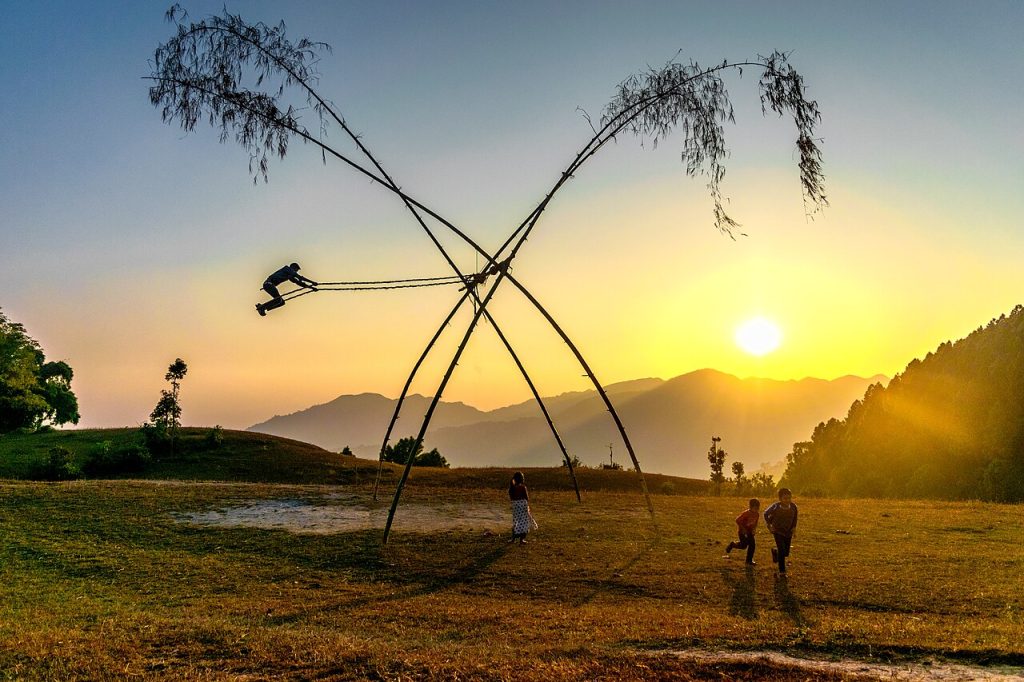
Although celebrations differ between families and communities, the central idea remains similar: spending meaningful time with loved ones and keeping cultural traditions alive. For many families, the Dashain festival is incomplete without delicious food, new clothes, and gatherings with loved ones.
The Importance of Family During Dashain
One of the most beautiful things about Dashain is the way it brings families together. Modern life can make it difficult to find time for relatives, especially when people are busy with work, education, or responsibilities in different cities and countries. Dashain provides an opportunity to reconnect, share stories, and create new memories.
For children, the festival can mean new clothes, delicious food, and time with cousins. For adults, it may bring back childhood memories and offer a chance to pass family traditions on to the next generation. For those living away from home, it can be a reminder of the comfort and happiness that come from being with loved ones.
How Dashain Traditions Are Changing Today
Dashain continues to hold a special place in Nepali culture, even as lifestyles change. Technology now helps families stay connected through video calls and messages when travelling home is not possible, although it is worth remembering that digital memories are no substitute for real-life moments. People living abroad also find ways to celebrate by preparing traditional meals, meeting other Nepali families, and following familiar customs.
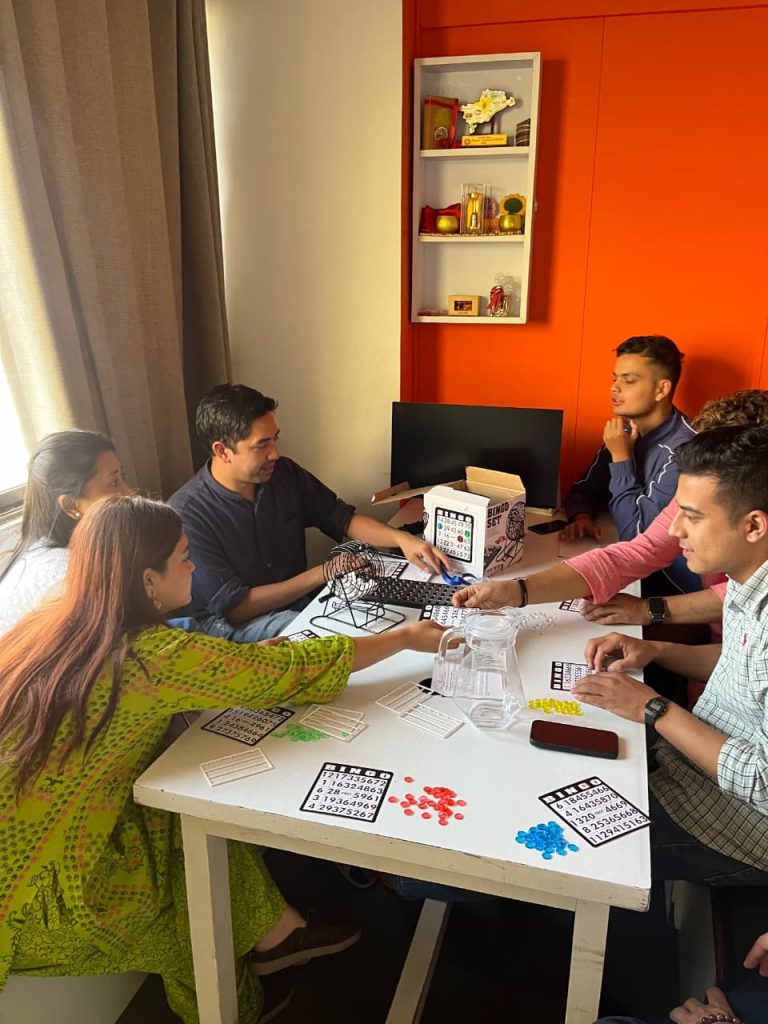
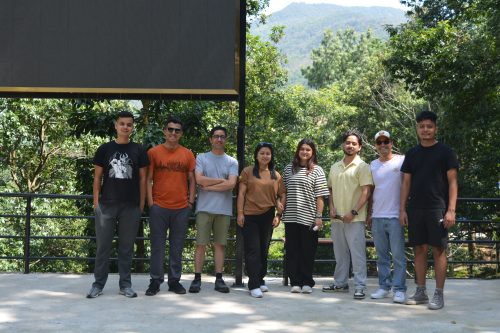
Workplaces join in too. At Kumo Labs, the team marked the start of the holidays with a bingo day at the office before Dashain.
At the same time, many people are becoming more mindful of their spending during festivals. Celebrating Dashain does not have to mean buying expensive gifts or preparing an enormous feast. Spending time together, offering sincere blessings, and helping others can make the occasion meaningful without creating unnecessary financial pressure.
Dashain Festival FAQs
When is the Dashain festival celebrated?
Dashain is celebrated in the Nepali month of Ashwin or early Kartik, which usually falls in September or October. In 2026, it ran from October 11 to October 25, with the main tika day on October 21.
How many days is Dashain celebrated?
Dashain lasts 15 days, from Ghatasthapana to Kojagrat Purnima. The most important days are Ghatasthapana, Phulpati, Maha Ashtami, Maha Navami, and Vijaya Dashami.
Is Dashain the same as Dussehra?
Both festivals celebrate the victory of good over evil on Vijaya Dashami. Dashain is the Nepali celebration and focuses on Goddess Durga, tika, and jamara, while Dussehra in India often focuses on Lord Rama’s victory over Ravana.
What is jamara made of?
Jamara is made from barley seeds, sometimes mixed with maize or wheat, that are sown on Ghatasthapana and grown in a dark, sacred place for nine days. This is why the shoots turn a pale yellow-green colour.
What do people eat during Dashain?
Popular Dashain foods include meat curry, sel roti, beaten rice, achar, seasonal fruits, and sweets. Many families also share food with neighbours and visiting relatives.
Conclusion
The Dashain festival is much more than a holiday. It is a celebration of faith, family, tradition, and the victory of good over evil. From the beginning of Ghatasthapana to the blessings shared on Vijaya Dashami, every part of the festival carries a special meaning for those who celebrate it.
As generations grow and lifestyles change, the traditions of Dashain continue to connect people with their roots. Whether celebrated in Nepal or far from home, Dashain reminds us to appreciate our loved ones, respect our cultural heritage, and make time for the people who matter most. Ultimately, the Dashain festival reminds everyone of the value of family, cultural identity, and togetherness.

 Manish Basnyat