
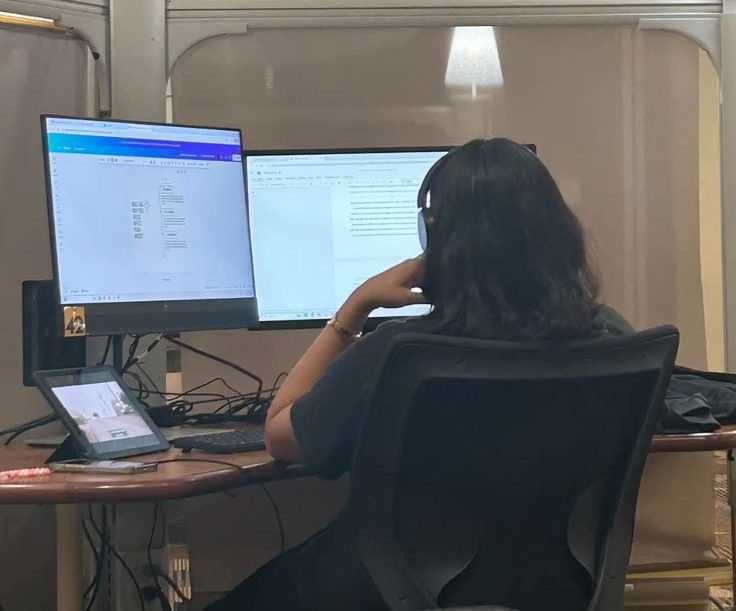

Have you ever had one of those days where you feel like you’ve been working non-stop, but when the day ends, you look back and think, “Wait… what did I actually finish?”
You answered messages, checked emails, attended meetings, worked on your laptop, fixed a few things, maybe had a couple of cups of coffee, and somehow your to-do list is still waiting for you. If you work in IT, this probably sounds familiar.
When you’re working on code, websites, designs, testing, documentation, or trying to figure out why something that worked five minutes ago suddenly stopped working, it is very easy to lose track of time. Before you know it, you’ve been sitting in the same chair for hours. But here’s the thing: being busy and being productive aren’t always the same thing.
Sometimes, the problem isn’t that you’re not working hard enough. Your productive work routine might simply need a little adjustment. The good news is that you don’t need to completely change your day. A few simple productivity techniques and healthy work habits can make your workday feel more organized, focused, and comfortable.
Why a Productive Work Routine Matters
Think about your normal workday. You arrive, open your laptop, check your messages, look at your tasks, and start working. Then one notification appears. You check it. Another task comes up. You switch to that. Then someone asks you something. Before you know it, you’ve spent an hour working without actually finishing the thing you originally planned to do.
This is why having a productive work routine can be helpful. A good routine doesn’t mean planning every minute of your day. It simply gives you some structure so you know when to focus, when to take a break, and what you actually want to accomplish.
Try the Pomodoro Technique to Stay Focused
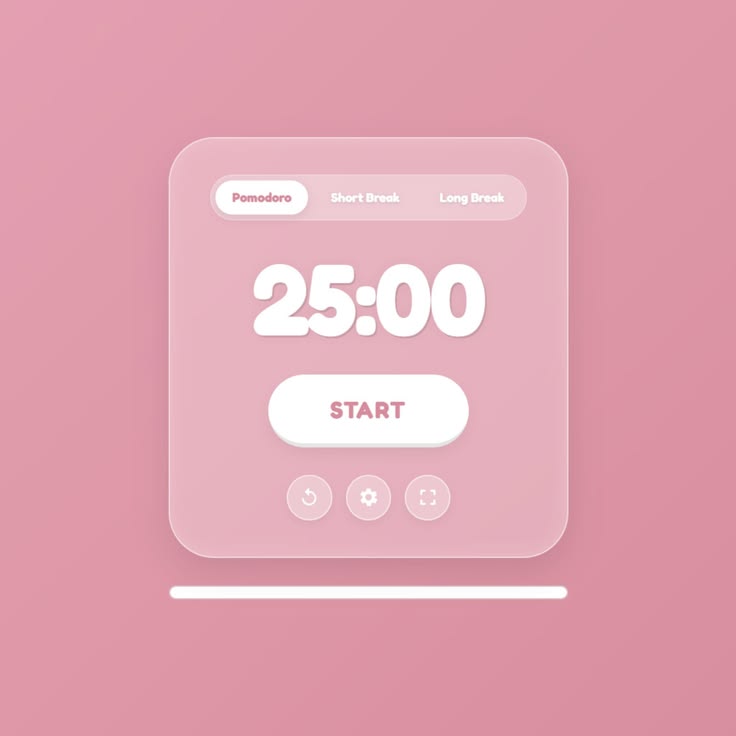
If you find yourself getting distracted easily or staring at the same task for a long time without making much progress, try the Pomodoro Technique. The idea is simple. Work with full focus for around 25 minutes, then take a short 5-minute break. During those 25 minutes, try to focus on one thing. If you’re coding, code. If you’re writing, write. If you’re testing a website, test it. It’s one of the simplest ways to add structure to a productive work routine.
Then, when the timer ends, step away for a few minutes. Get some water, stretch, walk around, or simply look away from your screen. You don’t have to follow exactly 25 minutes either. If 30 or 45 minutes works better for you, that’s fine. The main idea is to create a period of focused work followed by a real break. This simple productivity technique can make a long task feel much easier to handle.
Take a 5-Minute Walk After an Hour of Work
This might sound too simple, but it’s one of the easiest healthy work habits for IT workers. If you’ve been sitting and working for around an hour, get up and walk for five minutes. Walk around the office. Go outside. Get some water. Talk to a colleague. Whatever gets you away from your screen for a little while. It’s a small habit, but it can make a big difference to your productive work routine.
When you’re stuck on a problem, especially a coding problem, sitting there and staring at the same screen doesn’t always help. Sometimes you need to step away. You might come back after five minutes and see the problem differently. Even if you don’t solve it immediately, you’ve given your brain a chance to reset.
Give Your Eyes a Break
Let’s not forget about our eyes. If your job involves looking at a screen for most of the day, your eyes are probably working almost as hard as you are. A simple habit you can try is the 20-20-20 rule, recommended by the American Optometric Association. Every 20 minutes, look at something about 20 feet away for around 20 seconds. It takes almost no time.
Even if you don’t follow the rule perfectly, simply remembering to look away from your screen regularly can make your workday feel more comfortable. So that little moment of looking out the window isn’t necessarily you being distracted. Your eyes might just appreciate it.
Stretch and Move During the Workday
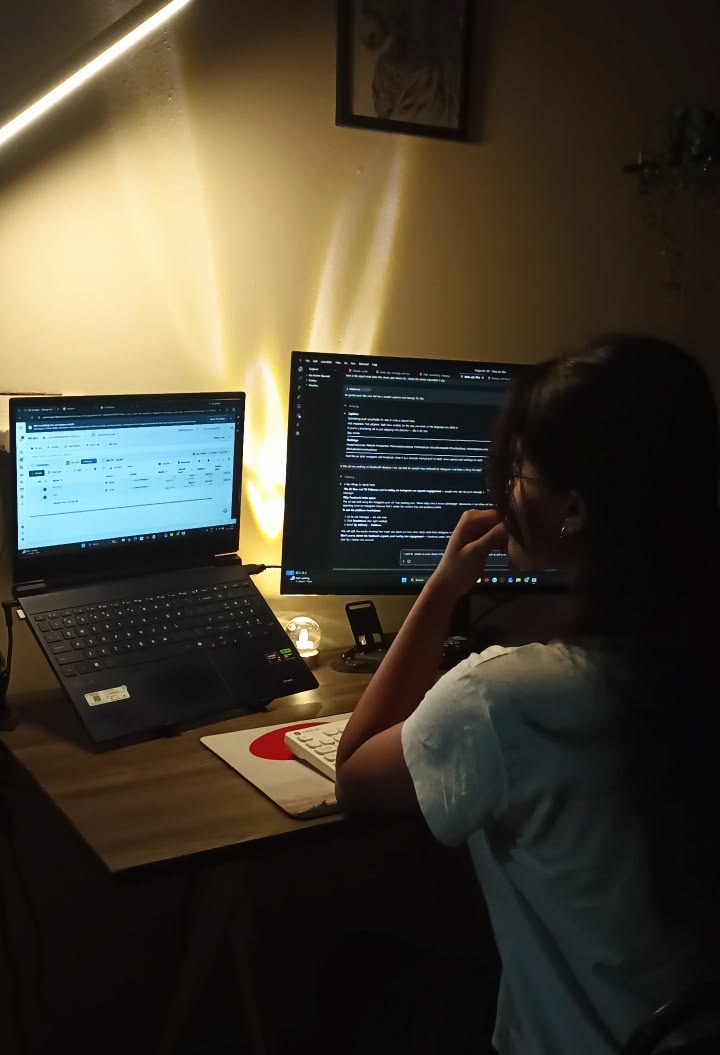
Here’s something most of us don’t think about until we’re already uncomfortable. Your neck feels stiff. Your shoulders hurt. Your back doesn’t feel great. Your wrists are tired. Then you realize you’ve been sitting in exactly the same position for the last two hours. Take a few minutes throughout the day to move. According to the Mayo Clinic, sitting for long stretches without moving is linked to a range of health risks, so regular movement really does matter.
Roll your shoulders, gently stretch your neck, move your wrists, stand up, or stretch your legs. You don’t need a gym or any special equipment. You just need to remember that your body exists while you’re busy working on your computer. Adding small movement breaks to your productive work routine can make long hours at your desk feel more manageable.
Keep Water Next to Your Laptop
When you’re focused on a task, it’s surprisingly easy to forget basic things like drinking water. You might think, “I’ll get some water after I finish this.” Then you finish that task and immediately start another one. And suddenly it’s 4 PM.
Keeping a water bottle next to your workspace makes this much easier. Every time you see it, take a few sips. It’s a tiny healthy work habit, but it can easily become part of your normal routine. If you’re not sure how much you should be drinking, the Mayo Clinic’s guide to daily water intake is a good place to start.
Stop Trying to Do Everything at Once
This is probably one of the biggest productivity traps. You have your coding task open, your email in another tab, work notifications coming in, your phone beside you, and three other things you’re supposed to finish. It feels like you’re doing a lot. But constantly switching between tasks can make it harder to concentrate on any one of them. Instead, try giving one task your attention for a certain amount of time.
Finish it, or reach a clear stopping point, and then move to the next one. You don’t have to respond to every notification the second it appears. Sometimes the most productive thing you can do is simply close a few tabs.
Take Your Lunch Break Seriously
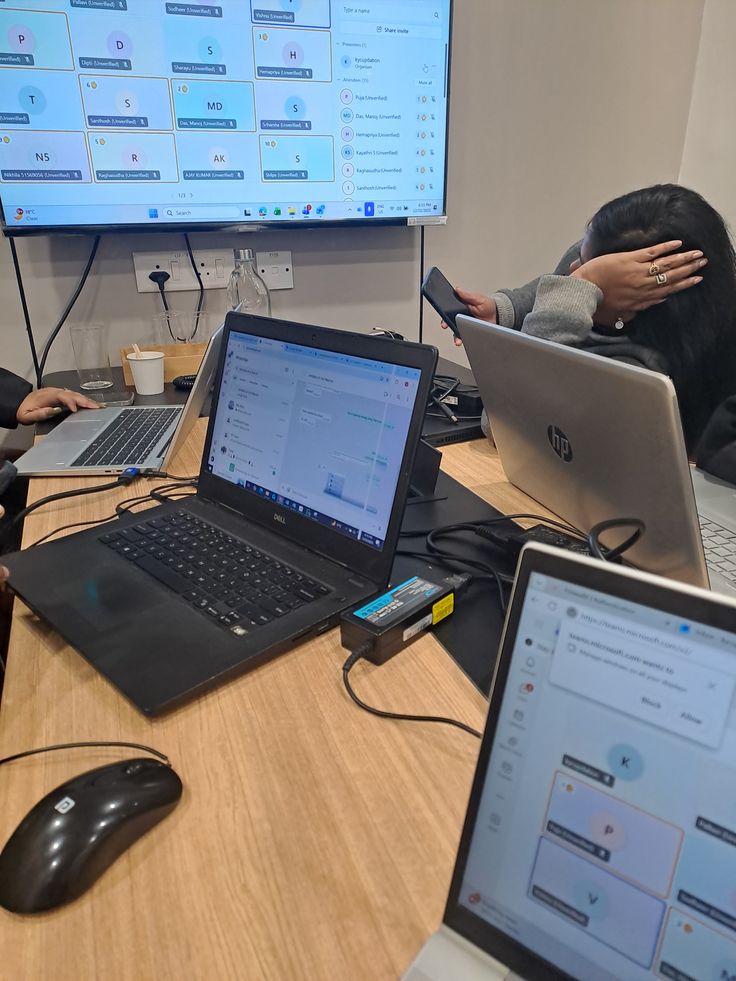
Please don’t turn your lunch break into another work session. We’ve all done it. You eat at your desk while replying to messages, checking emails, or watching something on your second monitor. Technically, you had lunch. But did you actually take a break?
Whenever possible, step away from your computer. Eat properly. Talk to someone. Go outside for a few minutes. Or just relax somewhere without looking at a screen. Taking a proper break doesn’t mean you’re being unproductive. It gives you time to recharge before getting back to work. Protecting your lunch break is one of the easiest ways to keep a productive work routine sustainable.
Make Your Workspace Comfortable
You spend a large part of your day at your workspace, so it should be somewhere you can actually work comfortably. Keep your desk reasonably organized. Make sure your screen is positioned comfortably, your chair supports you properly, and your keyboard and mouse are easy to use.
You don’t need an expensive setup to have a comfortable workspace. Even small changes can help. Sometimes just cleaning the pile of random things sitting beside your laptop can make your workspace feel completely different. A comfortable workspace is the foundation of a productive work routine.
Break Big Tasks Into Smaller Ones
Sometimes the task itself isn’t the problem. It’s the way we’re looking at it. For example, “Finish the website” sounds like a huge task.
Instead, break it down:
- Update the homepage
- Fix the contact form
- Test the login page
- Check the mobile layout
- Review the final changes
Suddenly, the project doesn’t feel quite as overwhelming. Breaking large tasks into smaller goals is one of the simplest productivity techniques you can add to your productive work routine. And there is something surprisingly satisfying about checking those smaller tasks off your list. If you manage bigger projects, our article on project management for ecommerce sites shows how the same idea works at a team level.
Don’t Make Your To-Do List Impossible
There’s another reason we sometimes feel unproductive: we expect too much from ourselves. You might start the morning with a list of 15 things you want to finish. Then you complete six of them and feel like you failed. But what if those six things were actually the most important ones?
Instead of filling your day with an unrealistic list, choose a few priorities. Ask yourself: “If I only manage to finish three things today, which three actually matter?” Start there. Anything else you finish is a bonus.
Know When You Need a Proper Break
Sometimes a five-minute break isn’t enough. If you’ve been working for hours and your brain feels completely drained, forcing yourself to continue isn’t always helpful. Take a proper break. Have lunch.
Go outside. Talk to someone. Get some fresh air. Give yourself some time away from your screen. Then come back when you’re ready. A productive work routine isn’t about avoiding breaks. It’s about using your working time more intentionally. Curious how our own team switches off? Here’s what Kumo Labs developers do in their downtime.
Productivity Doesn’t Mean Working Every Second
I think this is something we often forget. Being productive doesn’t mean sitting at your desk for eight hours without moving. It doesn’t mean answering every message immediately. And it definitely doesn’t mean feeling guilty every time you take a break.
Especially when you work in IT, your day can involve solving problems, learning new things, making decisions, debugging, communicating, and switching between different types of work. Of course you’re going to need breaks. The goal isn’t to work every second of the day. The goal is to make the time you spend working more focused and more manageable. A productive work routine includes rest, not just output.
Start Small and Build a Productive Work Routine That Fits You
You don’t need to completely redesign your routine tomorrow. Start with one thing. Maybe tomorrow you try the Pomodoro Technique. Or maybe you simply make a habit of getting up and walking for five minutes after an hour of work. Keep a water bottle next to your laptop. Stretch between tasks. Take your lunch away from your desk. Close unnecessary tabs.
Try a few things and see what actually works for you. Because at the end of the day, a good productive work routine isn’t about following a perfect productivity system. It’s about finding a way to get your work done without feeling like you’ve spent the entire day fighting your own routine. So the next time you finish a long workday and think, “I was busy all day, but what did I actually get done?”, don’t immediately blame yourself.
Take a look at your routine.
You might not need to work harder.
You might just need to work a little differently.
Frequently Asked Questions
What is a productive work routine?
A productive work routine is a simple, repeatable way of structuring your workday so you spend your energy on the tasks that matter. It usually combines focused work blocks, short breaks, realistic to-do lists and fewer distractions.
How do I build a productive work routine if I work in IT?
Start with one or two habits from this list, such as working in 25-minute Pomodoro sessions or walking for five minutes every hour. Once those feel natural, add another. Small changes are easier to keep than a complete overhaul.
How often should I take breaks during the workday?
A good rule of thumb is a short break every 25 to 60 minutes, plus a proper lunch break away from your screen. Rest is part of a productive work routine, not a break from it.



 Ilina Maharjan

 Manish Basnyat